Accelerated Chemistry Blog #4
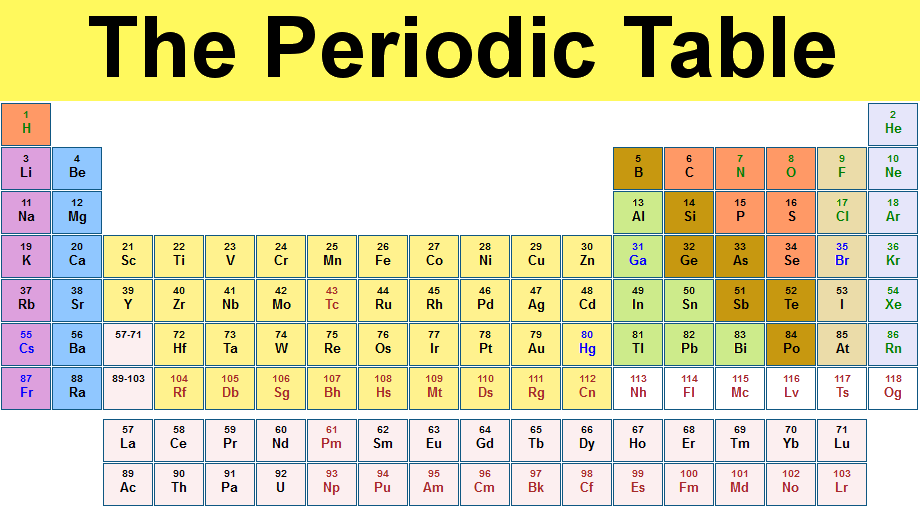
The first major topic we covered in this unit was naming and balancing equations. The most important thing to remember when balancing equations is charges. Balanced equations will always have an even charge. Positive charged ions are called cations, while negatively charged ions are anions. There are some simple techniques to make balancing equations easier. A good example is using fraction charges then canceling them out in the end. On the periodic chart, in general, positive metals are found on the left while negative elements are found on the right.
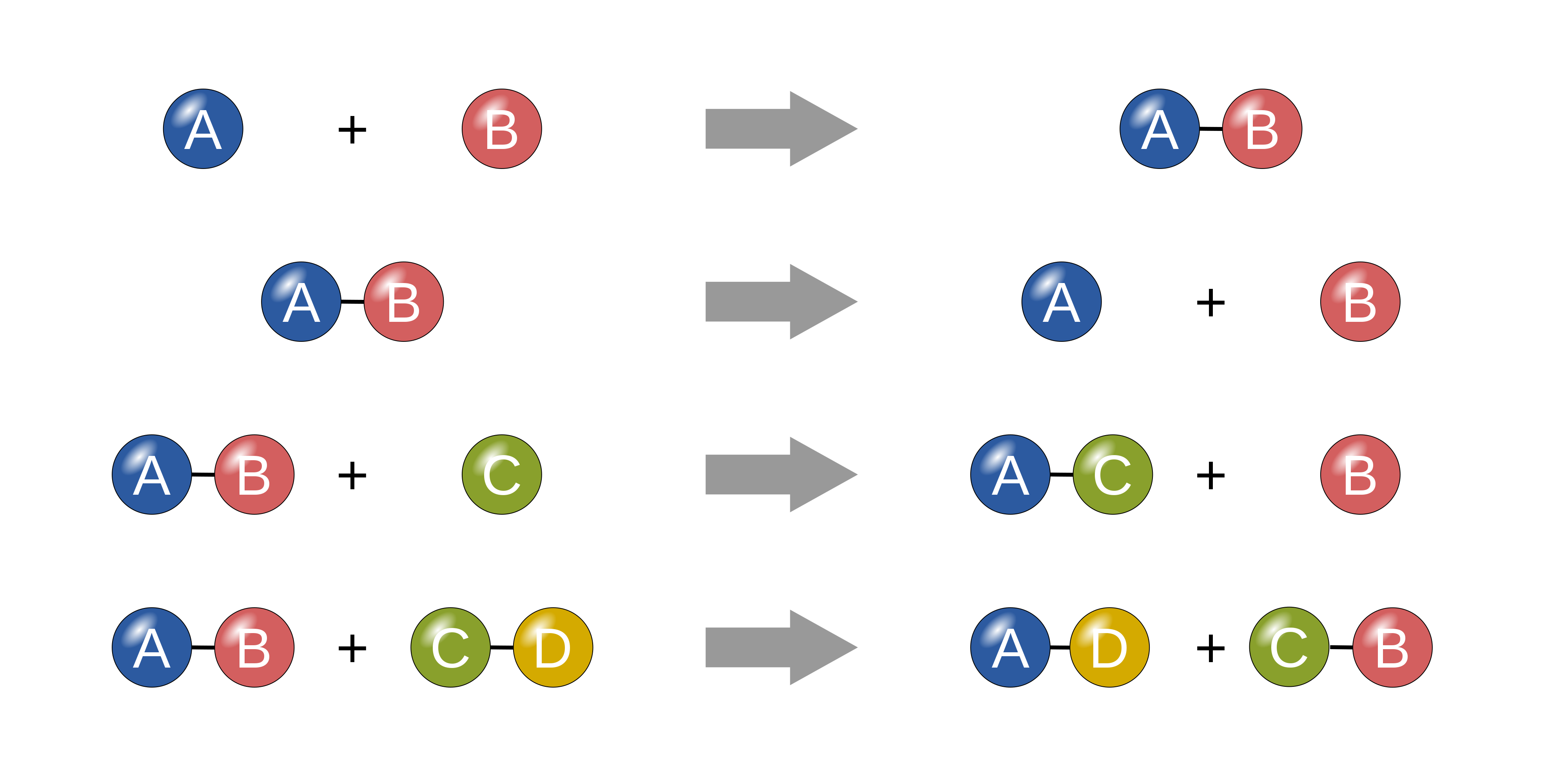
In addition to balancing equations we learned about different types of chemical reactions. The five types of reactions we learned about are synthesis/combination, decomposition, single replacement, double replacement, and combustion. In a synthesis reaction two elements combine into one. During decomposition a compound breaks down into smaller compounds or elements. During single and double replacement atoms of elements essentially swap places. As you can probably guess by the name, combustion reactions involve a substance burning with Oxygen. We did a lab in class that involved performing 9 experiments then determining the type of reaction and balancing the equations. We determined the type of reaction by properties observed, splint tests, and litmus paper.
The last major topic we covered was the Activity Series. The activity series is the order in which elements react with one another. At the top of the list for metals we have lithium and rubidium and some non-metals include Fluorine, Chlorine, Bromine, and Iodine. In class we used a demo to show this concept. By placing metals in other metals solutions you could see that some metals reacted while others didn't.
As we reach the end of the unit I finally feel like I have a good grasp on all the material we covered. The demos in class did a good job showing concepts and most were fun to watch too. If we could cover one thing more I wouldn't mind talking about the Activity Series more. I understand how it works but I feel like we rushed through it in a day.


